What is the best camera for a 3D virtual tour?
For most places, the Insta360 X6: 120 MP, with HDR at full resolution, $699.99 at launch. On a tighter budget, the Insta360 X5. For the most detail, a DSLR on a panoramic head. All of them work with Virtuaaa, which computes the tour from their photos.
Try it free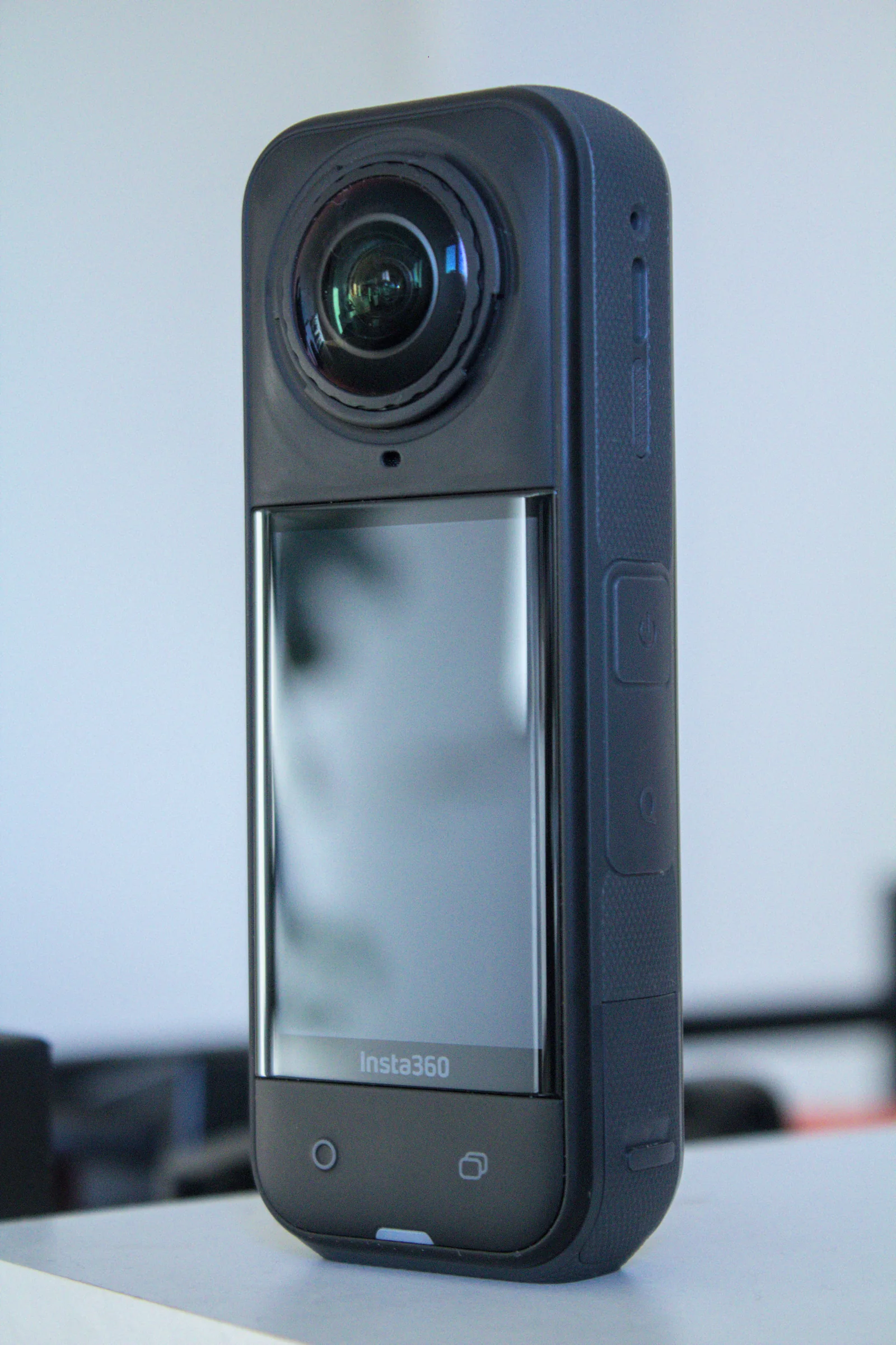
Whatever the camera, the tour builds itself
- Any 360 camera or a DSLR. A 2:1 equirectangular JPEG is enough, up to 16K wide.
- Positions, 3D movement, dollhouse and floor plan computed from the panoramas, in 15 to 40 minutes.
- $10 per tour, paid once. The first one is free, with up to 150 panoramas.
Which camera for your need?
| Your need | The camera | Why |
|---|---|---|
| Most places | Insta360 X6 | 120 MP, and HDR stays at full resolution |
| A tighter budget | Insta360 X5 | 72 MP with HDR, $549.99 at launch |
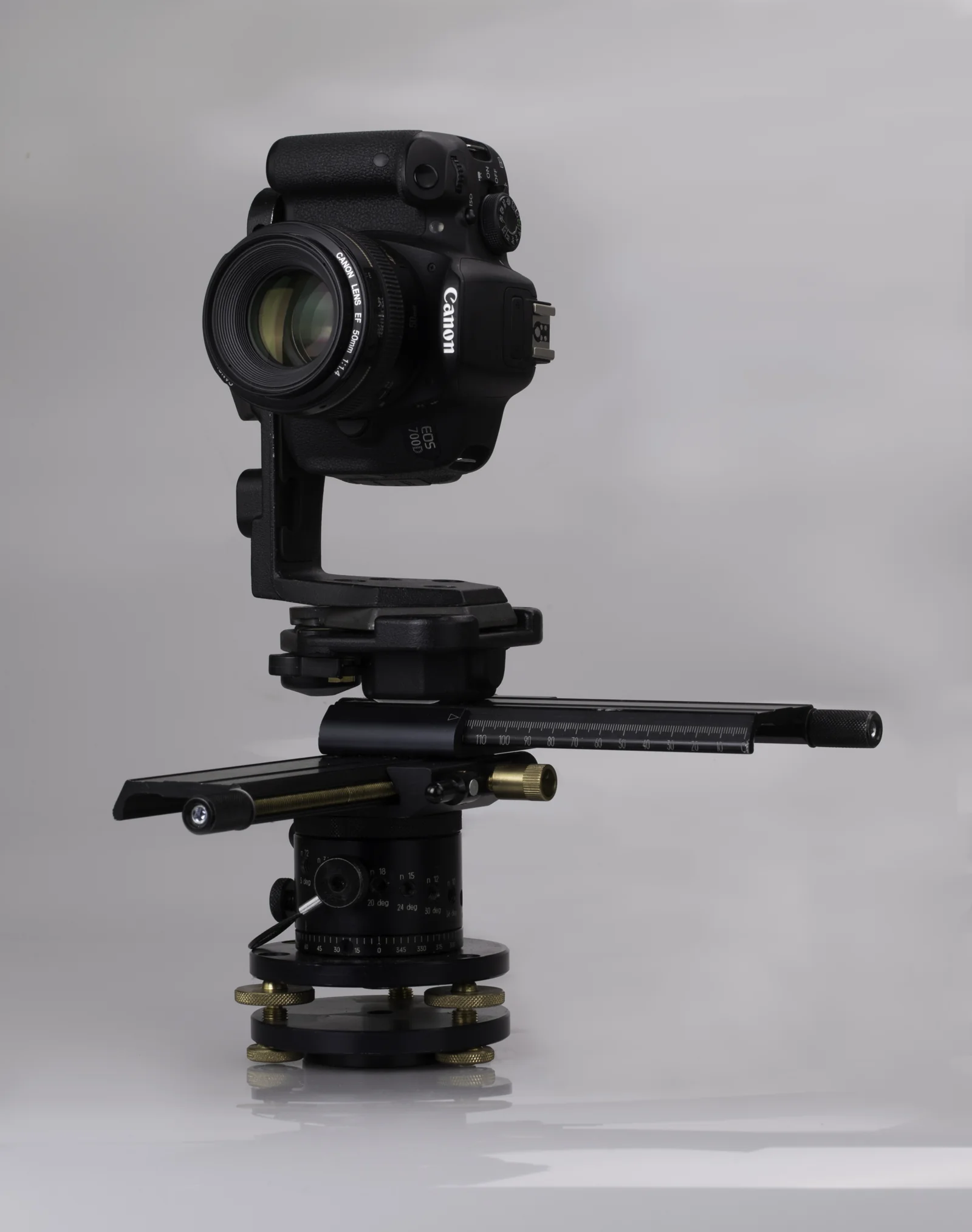
| The most detail | A DSLR on a panoramic head | The full resolution of your sensor and lens: stitching your photos |
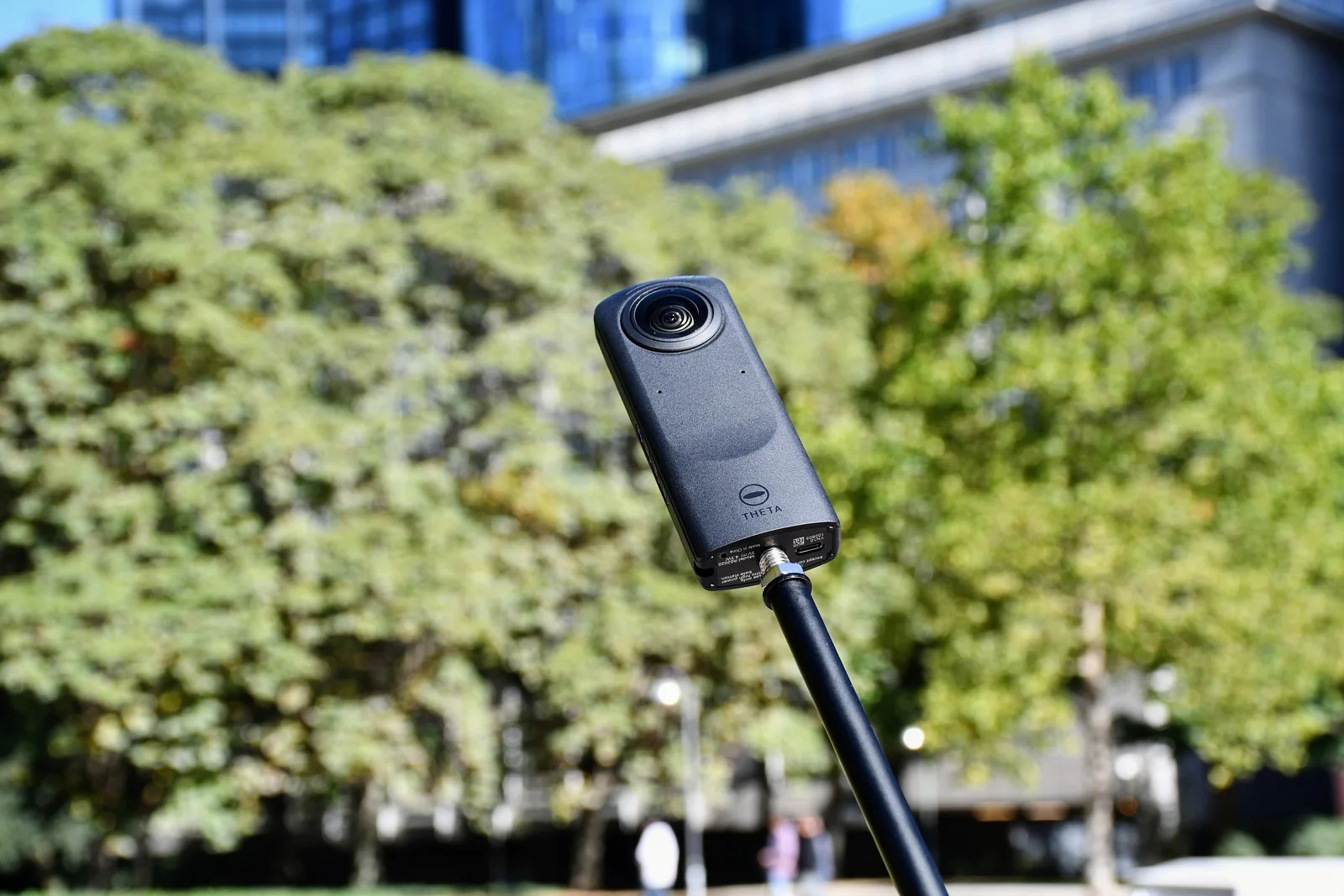
| A direct JPG and an open API | Ricoh Theta X | 60 MP, API open to everyone |
| Smartphone (iPhone 15+) | iPhone on the 0.5x lens | 14 photos per viewpoint on a panoramic head: a tour with a phone |
| Laser measurements | Your camera and a LiDAR | A $419 Unitree L2 under the tripod, set up on request: camera and LiDAR |
Cameras by type
 DSLR
 Drone
The cameras compared: photo, files, API and price
No consumer 360 camera has a depth sensor. Insta360's Spatial Capture builds a 3D scene (Gaussian splatting) from 360 video in its app, with no floor plan or tour links; the geometry of a tour is computed from the photos.
Virtuaaa accepts all of these cameras: a 2:1 equirectangular JPEG is enough, up to 16K wide.
| Camera | Photo | Files | API / SDK | Price |
|---|---|---|---|---|
| Insta360 X6 | 120 MP, HDR (AEB) | .insp to export in the app or Insta360 Studio, or JPG if stitched in the camera; DNG | On application (SDK; X6 not yet listed) | $699.99 at launch (2026) |
| Insta360 X5 | 72 MP, HDR (AEB) | .insp, or JPG if stitched in the camera; DNG | On application (SDK) | $549.99 at launch (2025) |
| Insta360 X4 | 72 MP; HDR at 18 MP only | .insp, or JPG if stitched in the camera; DNG | On application (SDK) | $499.99 at launch (2024) |
| Ricoh Theta Z1 (51 GB) | About 23 MP, RAW DNG | JPG straight from the camera, DNG | Open to anyone (OSC-based Web API) | $1,049.95 at launch (2021) |
| Ricoh Theta X | 60 MP | JPG straight from the camera; DNG with the HDR-DNG plugin | Open to anyone (OSC-based Web API) | $799.95 at launch (2022) |
| Kandao QooCam 3 Ultra | 96 MP, DNG | JPG or DNG | On application (QooCam SDK) | $599 at launch (2024) |
| Matterport Pro3 | About 134 MP, LiDAR | Processed in the Matterport cloud | Camera closed; Model API for all accounts (sandbox by default) | $5,999 at launch (2022); from $3,995 today |
| iGUIDE PLANIX R1 | 60 MP (Theta X), LiDAR | Processed by iGUIDE, per project | Portal API open to customers | $2,499 at launch (2024), plus per-project fees |
| DSLR + PTGui | 16K and more, depending on sensor and lens | Your own files, at full resolution | Your files, no platform | Depends on your kit |
Launch prices in US dollars, from the makers' announcements and documentation (Insta360, Ricoh, Kandao, Matterport, iGUIDE, PTGui) and press coverage, checked on 2 November 2026. Also on sale: the Insta360 X4 Air (about $400, 2025), covered by the same SDK, and the Ricoh Theta A1, sold in packs or on rental and covered by the same API. Prices change: check before you buy. Names are trademarks of their owners.
Which settings avoid burnt windows and seams?
- On an Insta360 X6, HDR with AEB (3 or 5 shots) works at the full 120 MP.
- On an X5, use HDR Photo with AEB.
- On an X4, HDR works only at 18 MP: choose 72 MP in rooms without bright windows, HDR where the windows would burn out.
- On a Ricoh Theta Z1, AE Bracket takes 3 to 9 exposures saved separately, which you merge afterwards in PTGui or Lightroom.
- A DSLR on a panoramic head, with brackets merged in PTGui, gives the most detail; its resolution depends on the sensor and lens.
- Seams come from objects too close to the lenses: on an X4, X5 or X6, Insta360 asks for at least 0.6 metre around the camera and 0.8 metre below it (1 metre with lens guards on an X4).
- Export the .insp files to JPG in Insta360 Studio, whose optical-flow stitching gives cleaner seams than stitching in the camera, and upload the JPGs.
- To stay out of the picture, trigger from the phone app or with the timer, and step into another room.
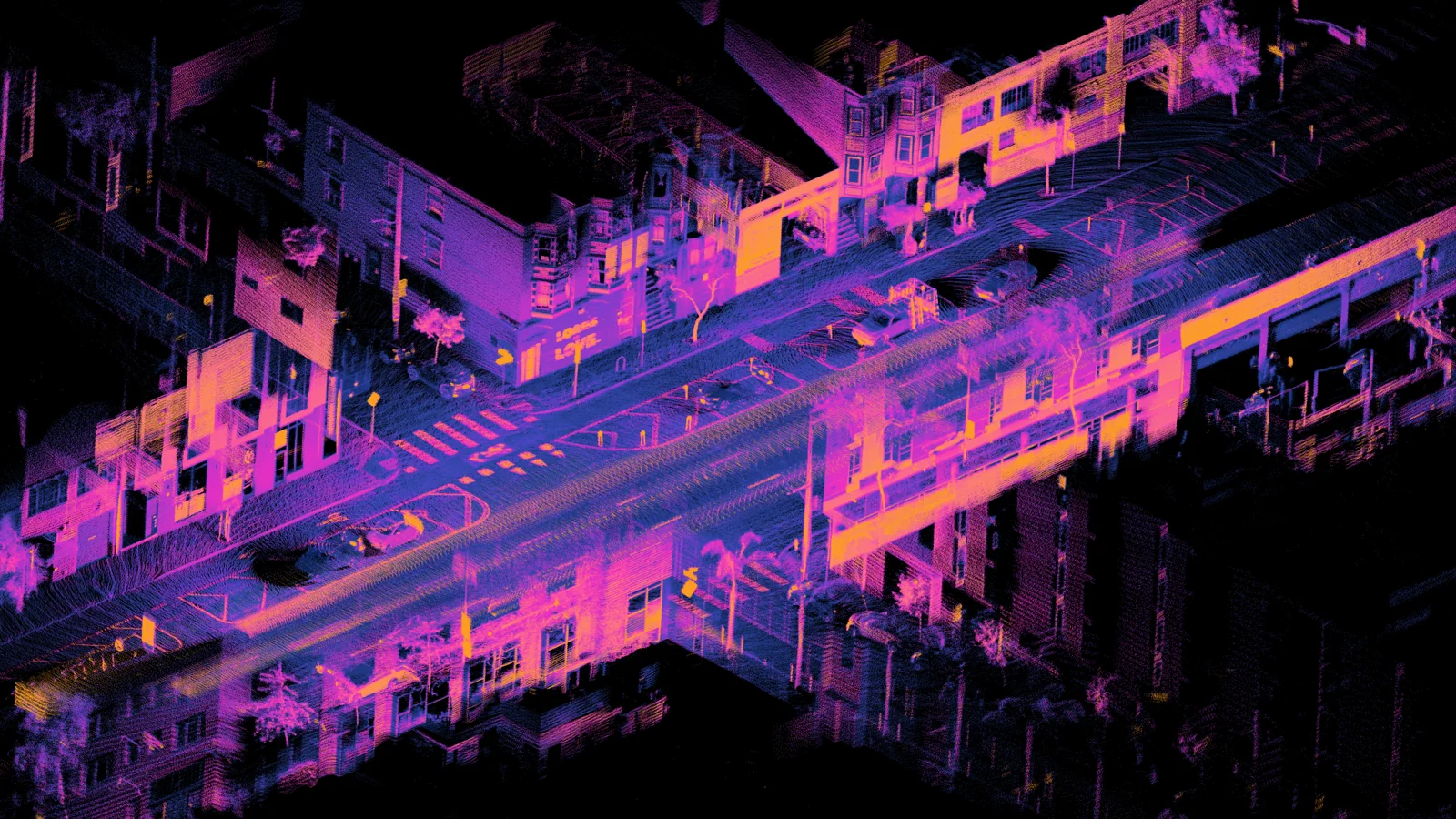
When is a LiDAR worth adding under the tripod?
A LiDAR measures distances with a laser, even on a bare wall. A Unitree L2 costs $419; in the setup I am preparing, it sits on its own small stand under the camera.
Virtuaaa sets up LiDAR import on request, with you, on your first LiDAR shoot.
An iGUIDE PLANIX project already holds laser positions, used for single-floor projects. See how to use a LiDAR under a 360 camera and how to use an iGUIDE project.
Cameras for a 3D virtual tour: the questions people ask
Which 360 camera is best for virtual tours?
The Insta360 X6 gives 120 MP from $699.99; the X4 Air, X4 and X5 launched at about $400 to $550. A Ricoh Theta Z1 or X gives JPGs straight from the camera and an API open to anyone; a DSLR with PTGui gives the most detail. All of them work with Virtuaaa.
Which file do I upload?
A 2:1 equirectangular JPEG, up to 16K wide. On an Insta360, export the .insp file to JPG in Insta360 Studio; a Ricoh Theta gives a JPG directly.
Do I need a LiDAR?
No: the tour, the plan and the dollhouse are computed from the panoramas. LiDAR import, for example from a Unitree L2 under the tripod, is set up on request on your first LiDAR shoot.
Your camera is enough for a 3D tour
Upload its panoramas: the first tour is free, with its dollhouse and its floor plan.
A question about your files? [email protected]
More articles
 What is the best software to create a 3D virtual tour?Twelve tools compared, with their prices and a tour to open for each, and what 10 tours kept for 3 years cost.How do you turn any camera into a 3D camera with a LiDAR?A $419 LiDAR under the tripod adds laser measurement to any 360 camera or DSLR, at a fraction of the price of a Matterport Pro3.
 How do you stitch a perfect drone panorama automatically?Broken seams, a hole in the sky, a tilted horizon: the causes, the manual fixes, and the stitching that corrects it all automatically.
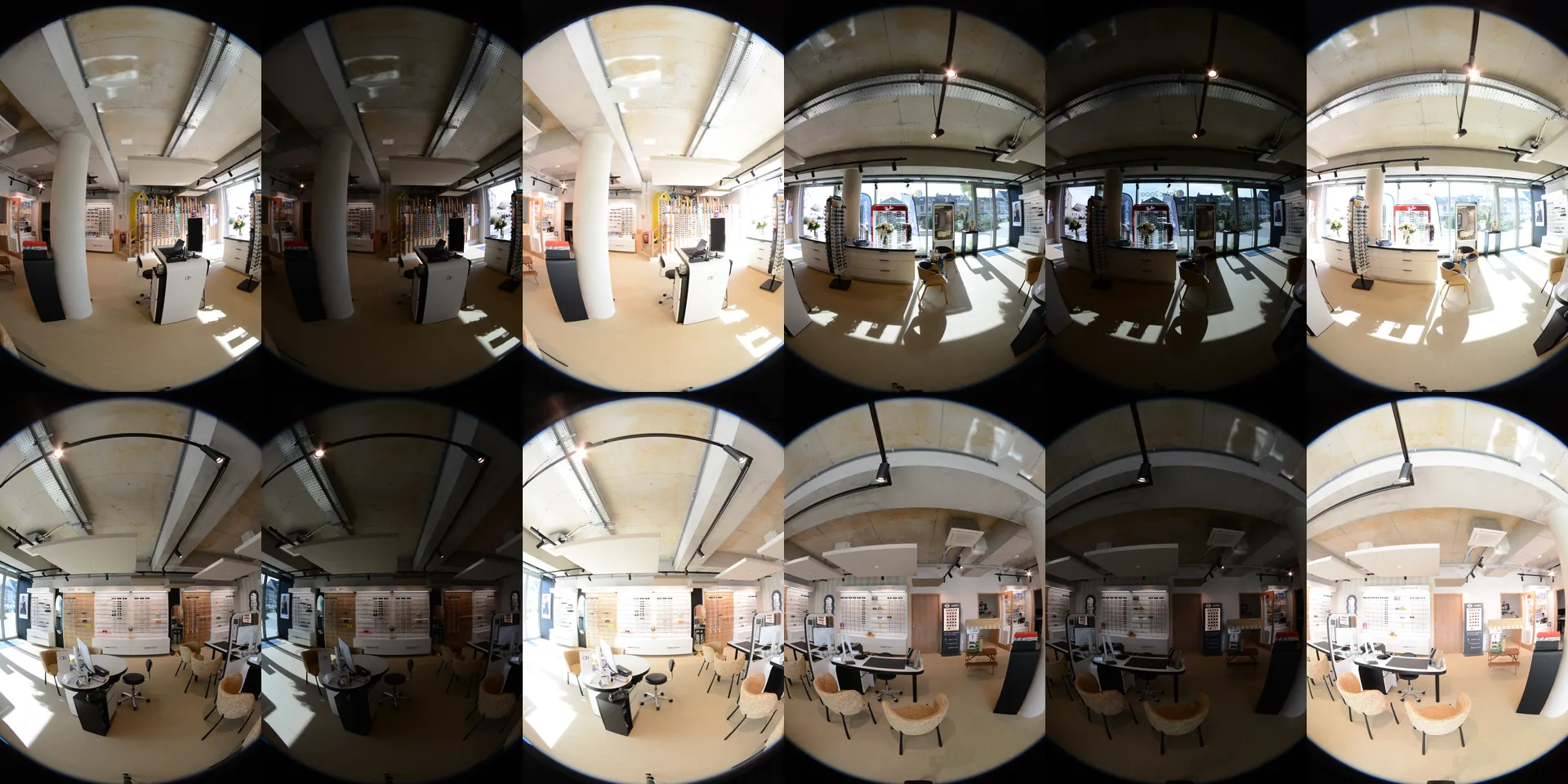 How do you stitch DSLR photos into 360 panoramas automatically?Upload the whole shoot: panoramas up to 16K, tripod removed, then a 3D tour with floor plan and dollhouse.